

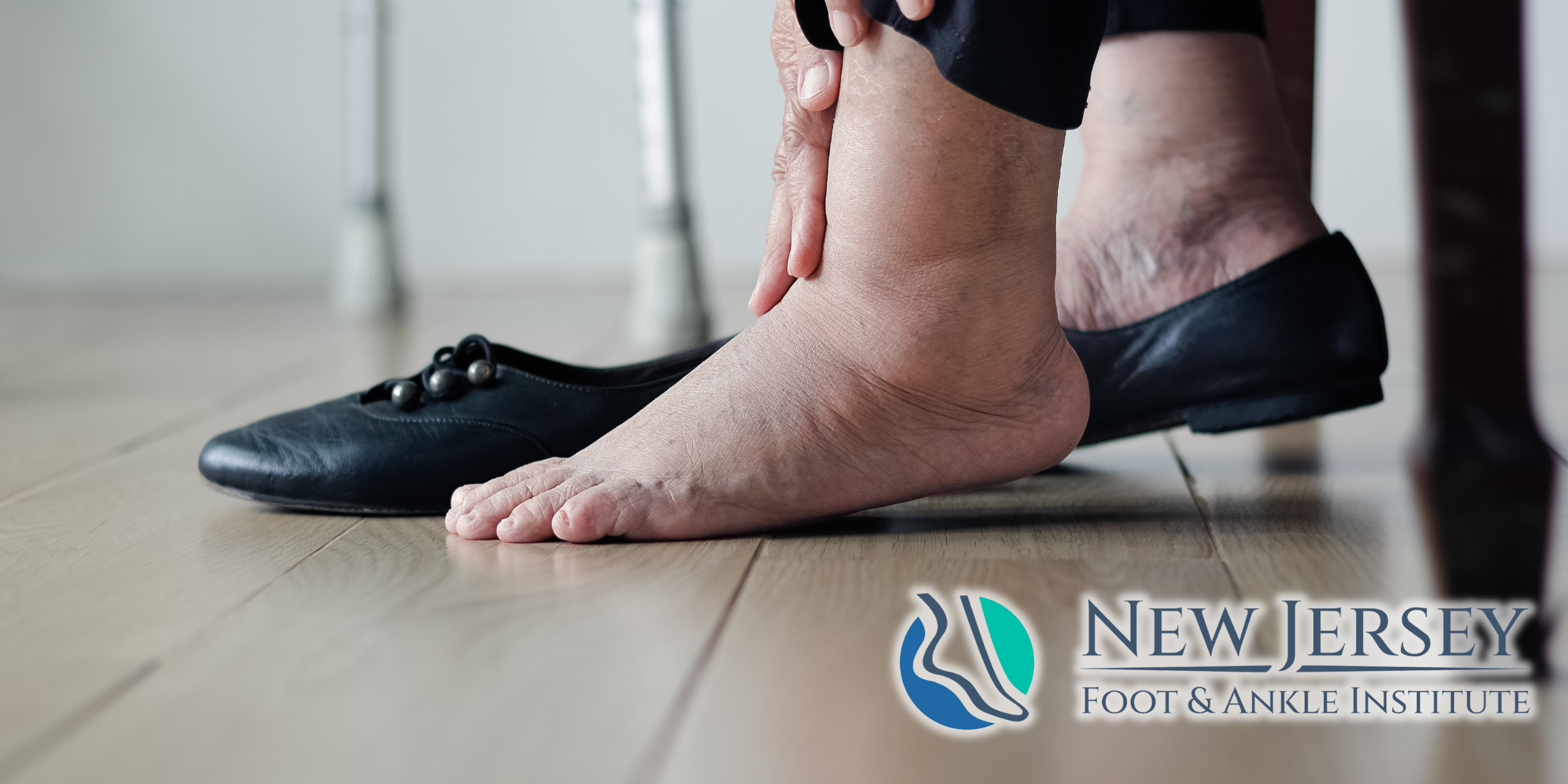
As we age, it’s normal for our feet to change. Years of walking, standing, injuries, and everyday wear can affect the bones, joints, muscles, and skin of your feet. However, some changes shouldn’t simply be considered a normal part of aging.
Recognizing potential problems early can help you stay mobile, comfortable, and independent.
1. Persistent Foot or Ankle Pain
Occasional soreness after a long day may not be concerning and may be simply be a part of foot changes as you age. However, ongoing or worsening foot pain shouldn’t be ignored. Arthritis, tendon problems, plantar fasciitis, bunions, and previous injuries can all contribute to pain.
If pain is making it difficult to walk, exercise, or participate in activities you enjoy, a podiatric evaluation can help determine the cause.
2. Numbness or Tingling
Numbness, burning, or tingling in your feet can sometimes be related to nerve problems or circulation issues. These symptoms are especially important to pay attention to if you have diabetes.
Reduced sensation can make it harder to notice cuts, blisters, or other injuries, potentially allowing small problems to become more serious.
3. Changes in Balance or Stability
If you suddenly feel unsteady when walking, frequently stumble, or have difficulty maintaining your balance, your feet could be part of the problem.
Foot pain, arthritis, weakness, improper footwear, and changes in sensation can all affect the way you walk and increase your risk of falling.
Addressing foot problems and making sure you have properly fitting, supportive shoes can help promote safer mobility.
4. Changes in Your Toenails or Skin
Thick, discolored, brittle, or painful toenails can be signs of fungal infections or other nail conditions. Likewise, persistent cracks, sores, calluses, or changes in skin color deserve attention.
5. Swelling That Doesn’t Go Away
Mild swelling can occur after spending a long time standing or sitting, but persistent or unexplained swelling of the feet or ankles should be evaluated.
Swelling can have many possible causes, including problems affecting the joints, veins, or other systems of the body. Your podiatrist can help determine whether your foot and ankle symptoms require further evaluation.
Take Care of Your Feet as You Age
Healthy feet play an important role in staying active and independent. Regular foot care, supportive footwear, and addressing problems early can help protect your mobility and quality of life.
Don’t ignore changes simply because you’re getting older. Issues that appear as simple foot changes as you age may be a part of a larger problem. Pain, numbness, balance problems, unusual nail or skin changes, and persistent swelling are all reasons to talk with a healthcare professional.
At New Jersey Foot & Ankle Institute, we’re here to help patients maintain healthy, comfortable feet at every stage of life. If you’ve noticed a change in your feet or are experiencing ongoing pain, schedule an evaluation and take the first step toward better foot health.