

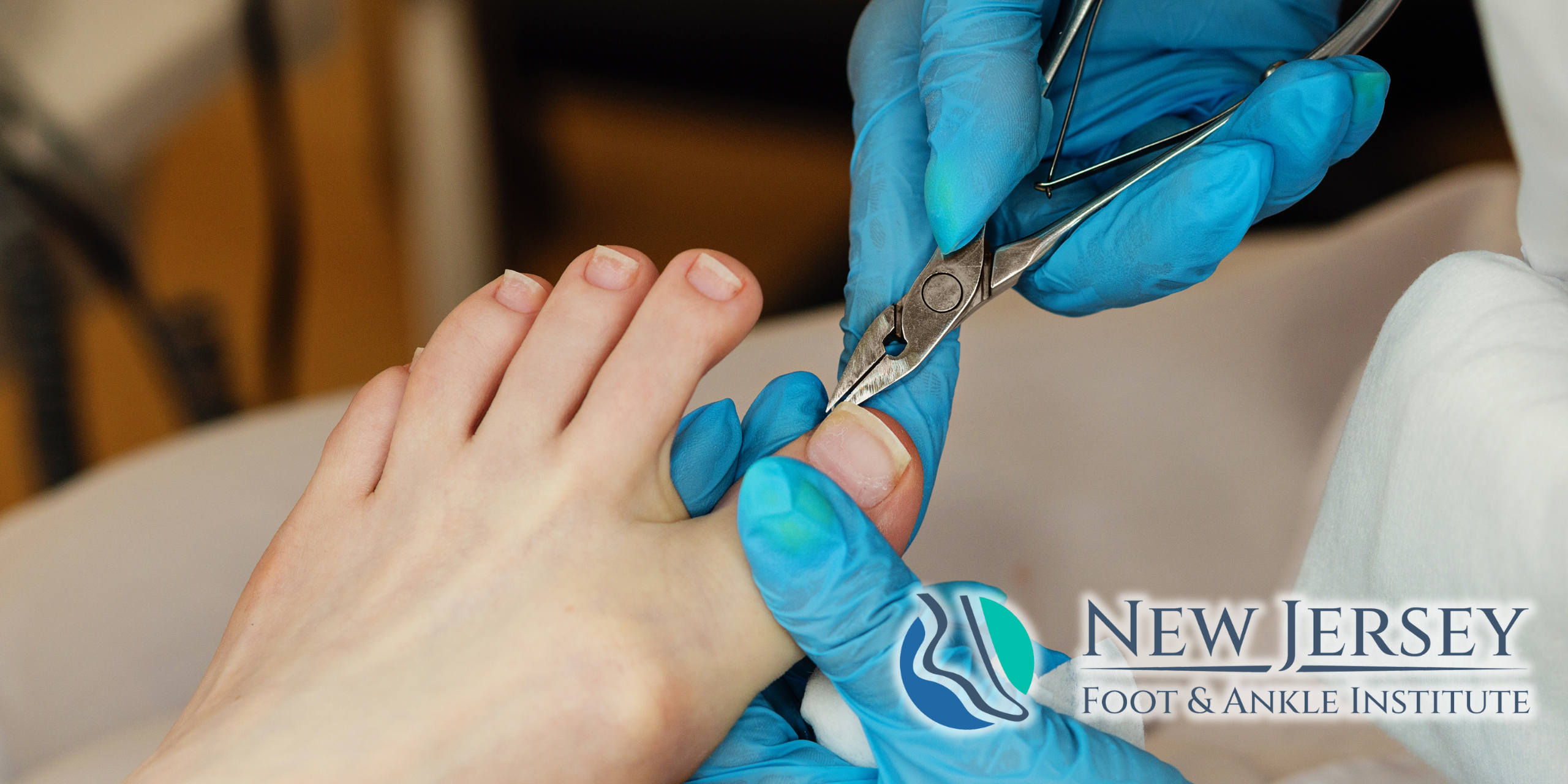
An ingrown toenail may seem like a minor problem, but it can quickly become painful and interfere with your everyday activities. Whether you notice tenderness around your big toenail or redness and swelling along the nail edge, knowing how to recognize and treat an ingrown toenail can help prevent complications.
At New Jersey Foot & Ankle Institute, we help patients address ingrown toenails and other common foot conditions so they can get back to feeling comfortable on their feet.
What Is an Ingrown Toenail?
An ingrown toenail occurs when the edge or corner of a toenail grows into the surrounding skin instead of growing straight outward. This most commonly affects the big toe, although it can occur on other toes as well.
As the nail presses into the skin, it can cause irritation, inflammation, and pain. If left untreated, an ingrown toenail may lead to infection.
What Causes Ingrown Toenails?
Several factors can contribute to ingrown toenails, including:
- Improper nail trimming: Cutting toenails too short or rounding the corners can encourage the nail to grow into the surrounding skin.
- Ill-fitting footwear: Shoes that are too tight or narrow can put excessive pressure on the toes.
- Toenail injuries: Stubbing your toe or experiencing repeated pressure during sports and other activities can affect nail growth.
- Naturally curved nails: Some people have toenails that curve more deeply into the surrounding skin.
- Genetics: A family tendency toward certain nail shapes can increase the likelihood of developing ingrown toenails.
Signs and Symptoms of an Ingrown Toenail
Recognizing an ingrown toenail early can help you seek appropriate treatment before the problem worsens.
Common symptoms include:
- Pain or tenderness along the nail edge
- Redness and swelling around the toenail
- Skin that feels warm or irritated
- Fluid or pus around the nail
- Increasing discomfort when wearing shoes or walking
If you notice pus, spreading redness, worsening swelling, or increasing pain, seek medical evaluation. People with diabetes, poor circulation, or reduced sensation in their feet should seek professional advice promptly rather than attempting home treatment.
How Are Ingrown Toenails Treated?
Treatment depends on the severity of the ingrown toenail and whether an infection is present.
Mild Cases
For mild cases without signs of infection, reducing pressure on the toe, wearing roomy footwear, and keeping the area clean may help relieve irritation. Avoid digging into the nail or cutting away the ingrown portion yourself, as this can worsen the problem.
More Severe or Recurrent Cases
When an ingrown toenail is particularly painful, infected, or keeps coming back, a podiatrist may recommend a minor in-office procedure to remove the portion of the nail causing the problem.
For recurring ingrown toenails, a procedure to prevent the affected nail edge from growing back may be appropriate. Your podiatrist can explain the options and recommend treatment based on your individual needs.
Antibiotics may be needed in certain circumstances, particularly when an infection is present, but they do not correct the underlying nail problem.
How Can You Prevent Ingrown Toenails?
A few simple habits can help lower your risk:
- Trim toenails straight across rather than rounding the corners.
- Avoid cutting nails excessively short.
- Wear shoes with enough room for your toes.
- Protect your feet during sports and activities that may cause toe injuries.
- Avoid picking at or tearing the edges of your toenails.
If you frequently develop ingrown toenails despite proper nail care, a podiatrist can help identify contributing factors and discuss ways to prevent recurrence.
When Should You See a Podiatrist?
You don’t have to wait until an ingrown toenail becomes severe to seek help. Consider scheduling an appointment if the pain persists, the toe becomes increasingly red or swollen, you notice drainage, or the problem keeps returning.
Prompt evaluation is especially important if you have diabetes, poor circulation, or reduced sensation in your feet.
Take the First Step Toward Relief
Ingrown toenails can make everyday activities uncomfortable, but appropriate treatment can help relieve pain and address the underlying problem. Avoid attempting to cut out a deeply ingrown nail yourself, especially if you have risk factors for complications.
If you’re dealing with a painful or recurring ingrown toenail, the team at New Jersey Foot & Ankle Institute is here to help. Schedule an appointment to have your toe evaluated and learn which treatment options may be right for you.